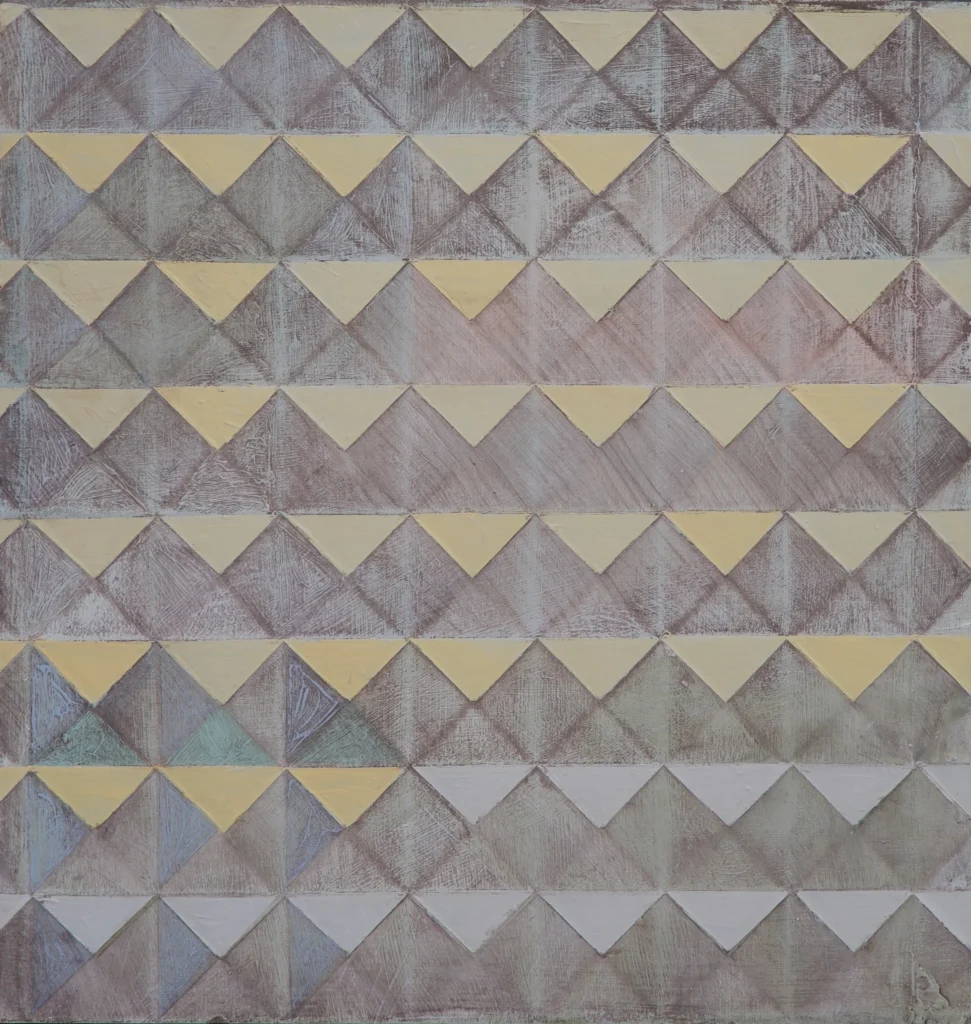
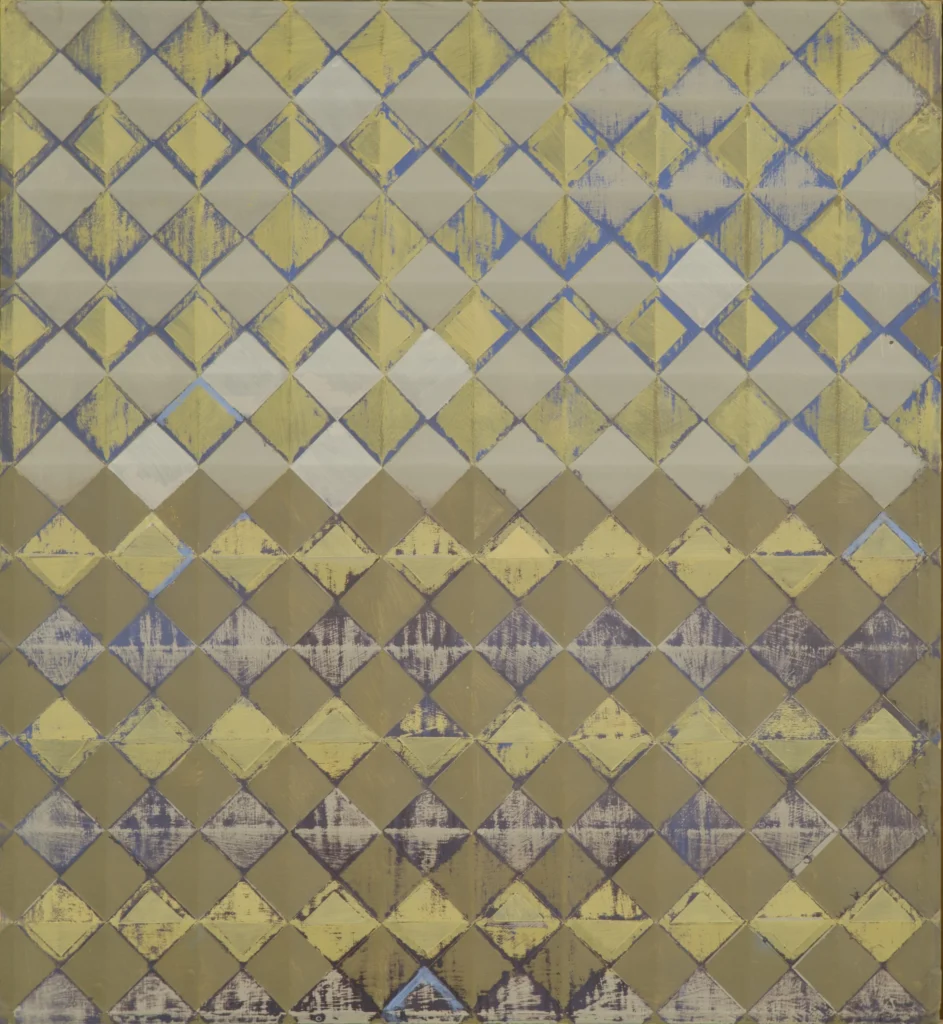
Have you ever read that ancient Indian parable about a group of blind men that encounter an elephant for the first time? They try to figure out what it is. The one feeling the trunk is certain the elephant is a snake. While the person touching one of the legs says it’s more like a tree. And so on. Each individual extrapolates an understanding of the macro from the micro. In the end, collectively, the sum of their analogies paint an accurately descriptive picture of elephant-ness. A London Plane tree is kind of like that elephant. Depending who you ask, it’s a different thing. For example, an Aussie ecologist might regard it as an invasive weed vigorously competing with native plants. On the other hand, a traditional cabinetmaker would relish the timber for its distinctive appearance and ability to be easily worked with hand tools. An Astrobiologist might look at the same tree and see an example of Earthlife, deifying overwhelming odds against existence in a hostile universe. And marvel at the tree’s biological superpower to convert energy from the sun and minerals from the earth to rejuvenate each spring and thrive. When I looked at that tree against the sky during the autumn afternoon, with its display of map like contours and cool color harmonies complemented by the warmth of turning leaves, I was inspired by to make this study. Reflecting on that diverse complexity of tree-ness amplifies the beauty of this subject for me.